Rainwater Harvesting Recharge Pit
An Effective Solution for Groundwater Recharge
Rainwater is a valuable natural resource, but a significant amount of rainfall is often lost as surface runoff. In urban and developed areas, concrete roofs, paved surfaces, roads, and other impermeable surfaces reduce the natural infiltration of rainwater into the ground.
A Rainwater Harvesting Recharge Pit provides a simple and practical way to collect rainwater and help it move into suitable underground soil and geological formations. Instead of allowing rainwater to flow directly into drains, a properly designed recharge pit can capture runoff and support groundwater recharge.
Recharge pits can be used for residential buildings, commercial properties, institutions, industrial facilities, schools, warehouses, and other suitable sites. The size and design of the pit depend on the site's rainfall, catchment area, soil conditions, groundwater characteristics, and expected runoff.
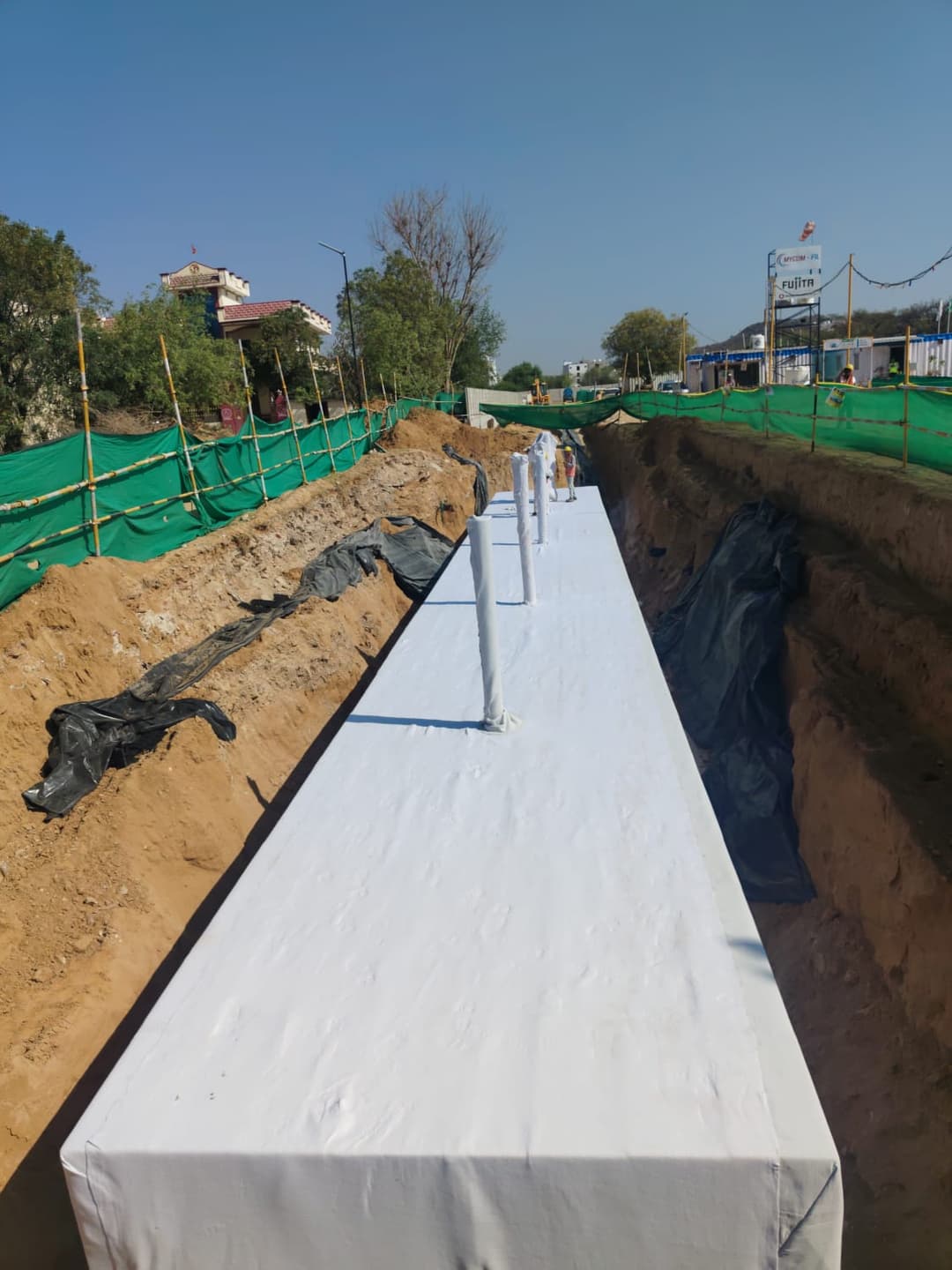
What is a Rainwater Harvesting Recharge Pit?
A rainwater harvesting recharge pit is a specially constructed pit that receives collected rainwater and allows it to gradually infiltrate into the surrounding ground.
The pit is generally filled with suitable layers of materials such as gravel, coarse sand, and other appropriate filter media. These layers help reduce the entry of suspended particles while allowing water to pass into the surrounding soil.
Rainwater may reach the recharge pit through:
- Rooftop rainwater pipes
- Gutters and downpipes
- Surface drainage channels
- Stormwater collection systems
- Filter chambers
- Other suitable rainwater collection arrangements
The exact structure and filtration arrangement should be selected according to the site's conditions and water quality requirements.
How Does a Recharge Pit Work?
A typical rainwater harvesting recharge pit works through a straightforward process.
1. Rainwater Collection
Rainwater is collected from a suitable catchment area, such as a rooftop, terrace, paved area, or other approved surface.
2. Conveyance
Gutters, pipes, and drainage channels carry the collected water toward a filtration arrangement and eventually to the recharge pit.
3. Filtration
Before entering the pit, collected water should generally pass through an appropriate filtration or screening arrangement. This helps remove leaves, debris, silt, and other suspended materials.
4. Water Entry into the Pit
Filtered rainwater enters the recharge pit and accumulates within the permeable material placed inside the structure.
5. Groundwater Recharge
The collected water gradually moves through the surrounding soil and suitable geological layers. This process can contribute to groundwater recharge where site conditions are favorable.
Components of a Rainwater Recharge Pit
The exact components vary according to the design, but a typical system may include:
The materials and dimensions should be selected according to the expected flow, soil characteristics, and project requirements.
Benefits of Rainwater Harvesting Recharge Pits
Supports Groundwater Recharge
The primary purpose of a recharge pit is to help transfer suitable rainwater into the ground, supporting the natural groundwater cycle.
Reduces Surface Runoff
Capturing rainwater before it flows away can help reduce uncontrolled runoff from rooftops and paved surfaces.
Helps Manage Rainwater Locally
A recharge pit allows rainwater to be managed close to where it is collected instead of depending entirely on external drainage infrastructure.
Simple and Practical
Compared with some large-scale water management structures, recharge pits can be relatively straightforward to construct when suitable site conditions exist.
Suitable for Different Properties
Recharge pits can be considered for homes, commercial buildings, institutions, factories, warehouses, and other properties with suitable catchment areas.
Supports Sustainable Water Management
Groundwater recharge is an important part of long-term water conservation. A properly planned recharge system can help make productive use of seasonal rainfall.
Applications of Recharge Pits
Rainwater harvesting recharge pits can be used in various locations, including:
The system should always be designed according to the characteristics and requirements of the specific site.
Factors to Consider Before Installing a Recharge Pit
A recharge pit should not be installed solely based on the available space. Proper site evaluation is important for determining whether groundwater recharge is suitable.
Important factors include:
Catchment Area:
The size and type of surface from which rainwater will be collected affect the amount of water entering the system.
Rainfall:
Local rainfall intensity and seasonal distribution help determine the expected runoff volume.
Soil Permeability:
The ability of the surrounding soil to absorb water is an important consideration when designing a recharge pit.
Groundwater Conditions:
Existing groundwater levels and local geological conditions should be evaluated before selecting the recharge method.
Water Quality:
Rainwater entering the recharge system should be appropriately filtered to minimize the entry of undesirable contaminants.
Available Space:
The location should provide sufficient space for construction, inspection, maintenance, and safe operation.
Existing Infrastructure:
Underground electrical cables, pipelines, foundations, drainage lines, and other utilities should be considered during planning.
Maintenance of a Recharge Pit
Regular maintenance is necessary to prevent clogging and maintain infiltration performance.
Important maintenance activities include:
The maintenance frequency depends on rainfall, catchment conditions, surrounding environment, and the amount of sediment entering the system.
Recharge Pit vs. Rainwater Storage
A recharge pit and a rainwater storage system serve different primary purposes.
A storage system collects rainwater and keeps it available for later use, such as gardening, cleaning, flushing, or other suitable applications.
A recharge pit is primarily designed to allow suitable collected rainwater to infiltrate into the ground and support groundwater recharge.
In some projects, both approaches can be combined. Rainwater can be stored for reuse while excess water is directed toward an appropriate recharge structure.
A Sustainable Approach to Groundwater Conservation
A Rainwater Harvesting Recharge Pit is a practical solution for managing rainwater and supporting groundwater recharge where local site conditions are suitable. By collecting rainwater from rooftops and other appropriate catchment areas, filtering it, and allowing it to infiltrate into the ground, the system can help reduce runoff and make better use of seasonal rainfall.
However, the effectiveness of a recharge pit depends heavily on proper design, suitable soil and geological conditions, adequate filtration, and regular maintenance.
For residential, commercial, institutional, or industrial projects, a site-specific assessment can help determine the appropriate pit size, filtration arrangement, location, and recharge method.
Capture rainwater, recharge the ground, and make every drop contribute to a more sustainable water future.