A water harvesting system is a sustainable method of collecting, storing, and managing water from natural sources such as rainfall and surface runoff. It plays a crucial role in addressing water scarcity, especially in urban and semi-urban areas where the demand for water is continuously increasing. By capturing and reusing water, these systems help conserve valuable resources and reduce dependence on external water supplies.
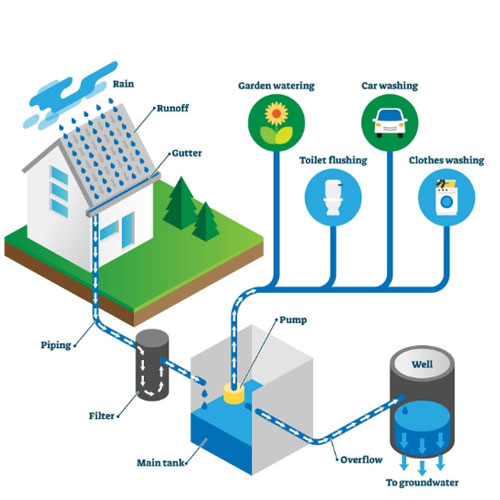
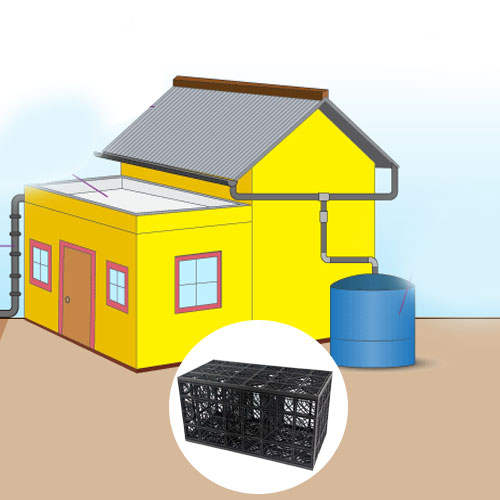
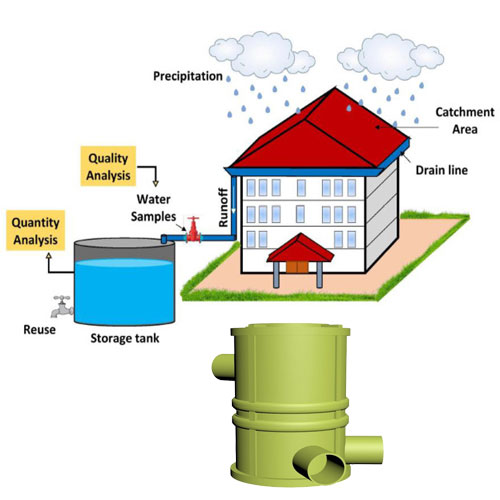
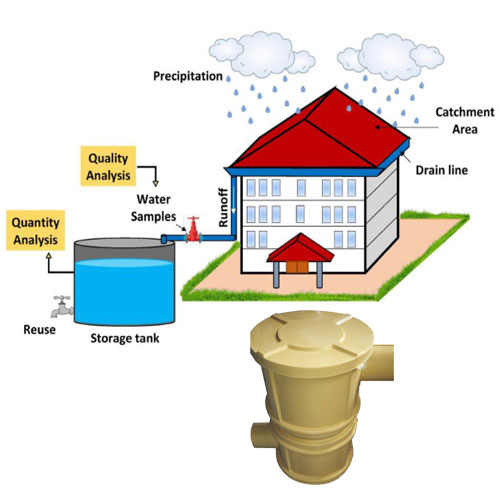
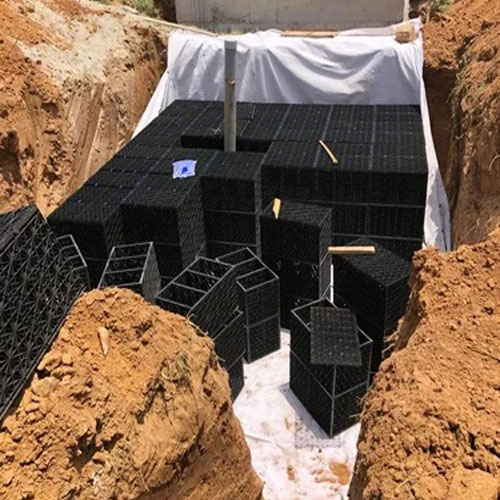
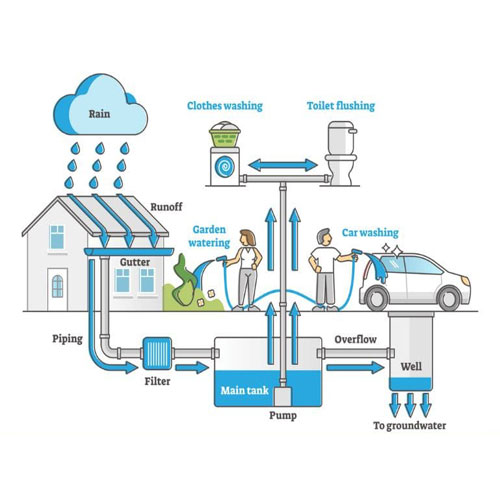
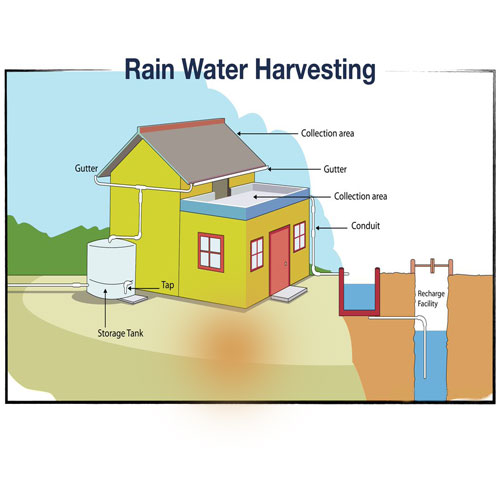
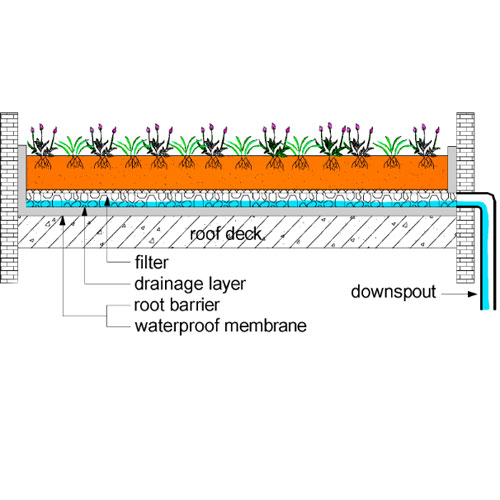
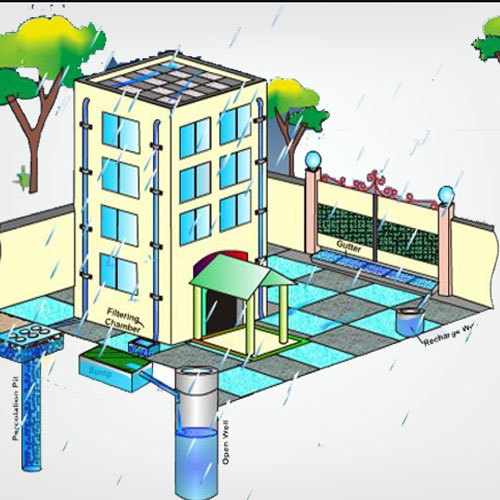
The most common type of water harvesting system is rainwater harvesting, where water is collected from rooftops, open areas, or paved surfaces. The system typically consists of a catchment area, gutters or pipelines, filtration units, storage tanks, and distribution mechanisms. The collected water passes through filters that remove dust, leaves, and other impurities before being stored for later use.
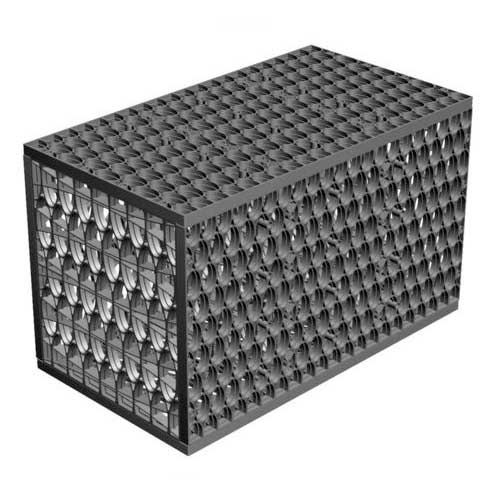
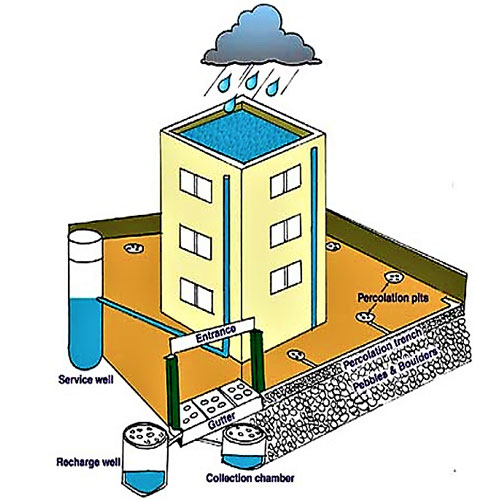
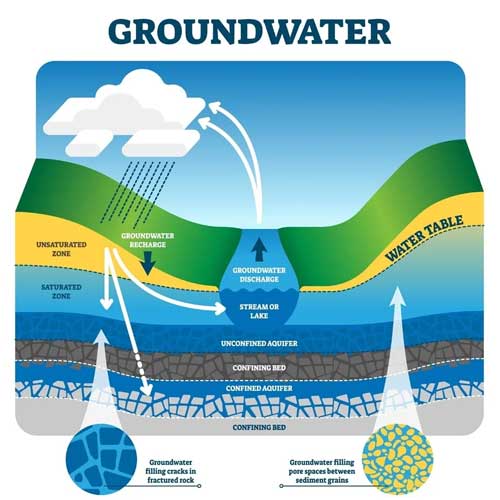
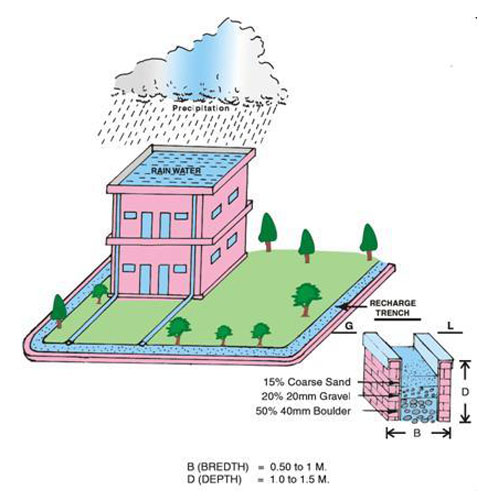
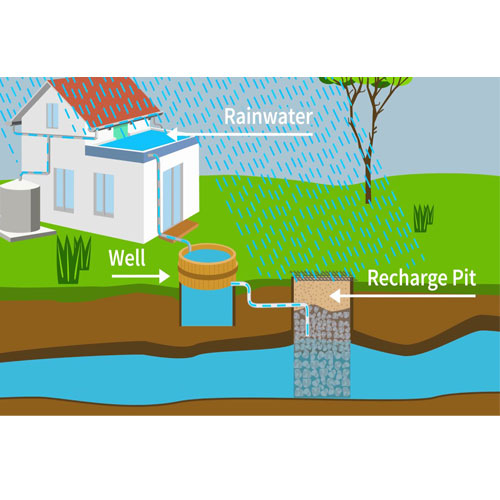
Modern water harvesting systems are designed with advanced technologies to improve efficiency and water quality. Features such as first-flush devices, multi-layer filtration, and automated monitoring systems ensure that the collected water remains clean and safe. In addition to storage, many systems are designed to recharge groundwater by directing excess water into recharge pits, trenches, or borewells. This helps restore declining water tables and supports long-term water availability.
Water harvested through these systems can be used for various purposes, including gardening, cleaning, irrigation, flushing, and industrial processes. With proper treatment, it can also be made suitable for drinking. This reduces the strain on municipal water supplies and lowers water bills for households and businesses.
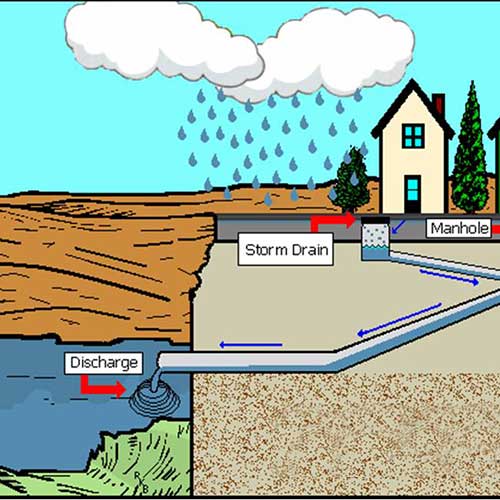
The benefits of a water harvesting system go beyond cost savings. It helps prevent urban flooding by managing excess rainwater and reduces soil erosion. Moreover, it promotes environmental sustainability by conserving water and supporting ecological balance.
In conclusion, a water harvesting system is a practical and eco-friendly solution for efficient water management. Its adoption is essential for ensuring a reliable water supply and building a sustainable future for coming generations.